
F1 Fanfare Goes to Joopiter
Two Fast-Car Themed Auctions by Pharrell’s Platform
It’s peak F1 season, and Joopiter, the auction platform founded by Pharrell Williams, is serving the Tifosi. This season, Jooper hosted two automotive-themed auctions.
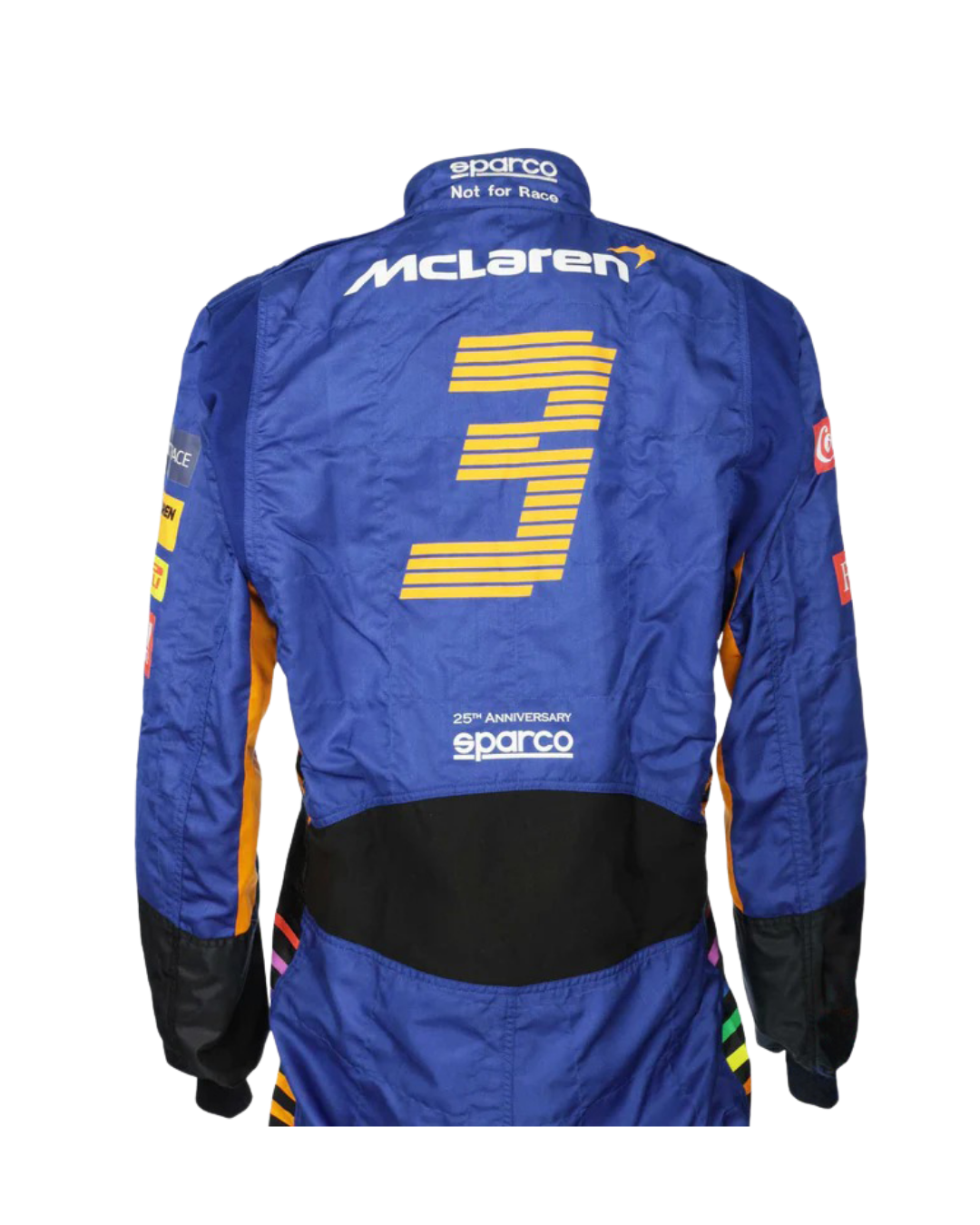
The first is “TMG: The Modern Grid” a motorsports-themed auction that highlights key objects from the contemporary F1 era timed to the first North American race of the 2026 season. Artifacts include a worn Lewis Hamilton race suit, Charles LeClerc’s autographed helmet, and a coveted Constructors Trophy. A highlight in the auction lots for serious Formula 1 fans is a signed helmet from driver Michael Schumacher’s 1991 debut season that he wore in the Italian Grand Prix.
The Miami circuit has taken on a unique spotlight after an unexpected five-week pause in the racing calendar due to cancellations caused by the war in Iran. Beyond the glitz of the grid, the core appeal of F1 is high-stakes adrenaline as cars zip by at 235 miles per hour. F1 uses advanced tech and materials to test the limits of speed and human control. Teams navigate endless rule changes and well-documented drama that plays out on the Netflix show “Drive to Survive” after the fact. Even from afar, F1 racing is thrilling, expressionistic, and truly a global sport that’s grown in the past decade. It’s one that collectors clamor to participate in — it’s always chic. We spoke with Caitlin Donovan, Global Head of Sales at JOOPITER, about how the curated objects represent an inflection point in F1’s long history.
The “TMG” sale wrapped on May 14 before F1 heads to Canada for round five. Joopiter’s next foray into cars includes two highly coveted Ferraris from the naturally aspirated era that opened on May 12.




What is distinct about the F1 collecting community? Do you find the interested collectors are long-time fans or new to the sport, or a mix?
What’s distinct about the F1 collecting community is its precision and depth. Collectors tend to be incredibly knowledgeable, often tracking specific races, chassis numbers, or moments in time. That said, we’re seeing a meaningful shift. While many collectors are lifelong fans, there is a new generation of collectors entering the space, drawn in by the sport’s global expansion and cultural visibility. It’s very much a blend — seasoned collectors meeting fresh perspective.
How did you go about compiling the prestigious objects included in this sale? What drove the narrative?
The goal was to build a sale that feels both historically grounded and culturally relevant—built around race-worn suits, helmets, and artifacts from the drivers shaping the modern grid - Lewis Hamilton, Charles Leclerc, Michael Schumacher, and Oscar Piastri. We worked closely with private collectors to source objects that mark pivotal moments in the sport, but are also approachable to a newer generation of F1 memorabilia collectors. The narrative is ultimately about evolution: objects that capture defining moments across generations.
F1 has a long, storied history. How did you weave in the modern era of Lewis and Oscar Piastri with the Schumacher era?
It was important that the sale didn’t feel segmented by era, but rather continuous. Schumacher represents a moment of dominance and transformation in the sport, while Lewis Hamilton carries that legacy forward into a more global, culturally expansive era. Including a younger driver like Oscar Piastri adds a sense of trajectory - where the sport is heading next. Together, they form a narrative of progression rather than contrast.
What are some of the most iconic items in the auction?
There are a few standout pieces that anchor the sale—race-used or driver-associated objects tied to defining moments in Formula 1 history. These are items that go beyond rarity; they carry narrative weight. Items like Schumacher’s signed rookie-season helmet and Ferrari-era race suit, or Hamilton’s race-used Ferrari apparel from Las Vegas, tell a very specific story within the broader history of the sport.
F1 is unique for its history in fashion, design, automotive technology, and motorsports. How do the objects reflect the sport's cultural touchpoints and evolution?
Formula 1 has always existed at the intersection of performance and culture. The objects in the sale reflect that through visual identity shaped by team liveries, sponsorship, and driver style. You see how the sport has influenced, and been influenced by, fashion and design. It’s not just a motorsport: it’s a cultural platform, and together the objects capture that evolution.
Why did you time this auction to the Miami GP?
Timing the auction to the Miami Grand Prix allows us to meet the sport at a moment of peak global attention, particularly in the U.S., where interest has grown significantly. Miami, in particular, represents the convergence of sport, culture, and entertainment in a way that mirrors the ethos of the sale. It’s a natural alignment both in audience and in energy.